Roadmap to Python in 2025
Python has evolved from a simple scripting language to the backbone of modern data science and machine learning.

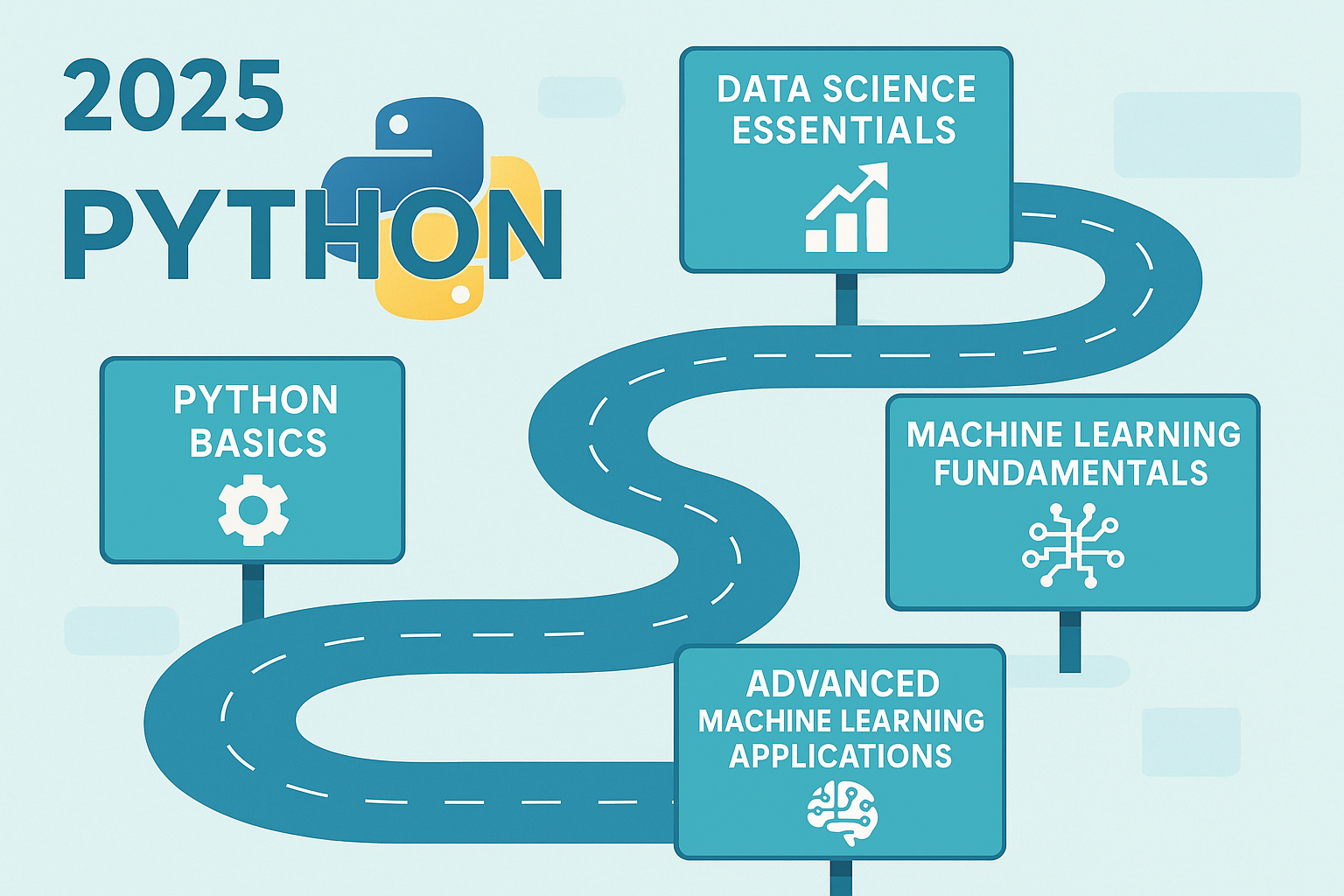
Python has evolved from a simple scripting language to the backbone of modern data science and machine learning.
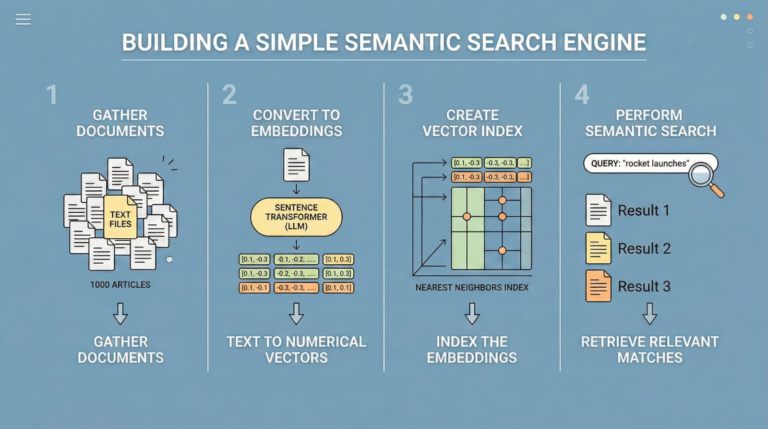
Traditional search engines have historically relied on keyword search.

Large language models (LLMs) exhibit outstanding abilities to reason over, summarize, and creatively generate text.

Quantization is a frequently used strategy applied to production machine learning models, particularly large and complex ones, to make them lightweight by reducing the numerical precision of the model’s parameters (weights) — usually from 32-bit floating-point to lower representations like 8-bit integers.

In machine learning, probability distributions play a fundamental role for various reasons: modeling uncertainty of information and data, applying optimization processes with stochastic settings, and performing inference processes, to name a few.

The k-means algorithm is a cornerstone of unsupervised machine learning, known for its simplicity and trusted for its efficiency in partitioning data into a predetermined number of clusters.

Theory is easier to trust once it’s running against a real API, so both examples in this article use the same tool — a get_weather function backed by