Revisiting k-Means: 3 Approaches to Make It Work Better
The k-means algorithm is a cornerstone of unsupervised machine learning, known for its simplicity and trusted for its efficiency in partitioning data into a predetermined number of clusters.

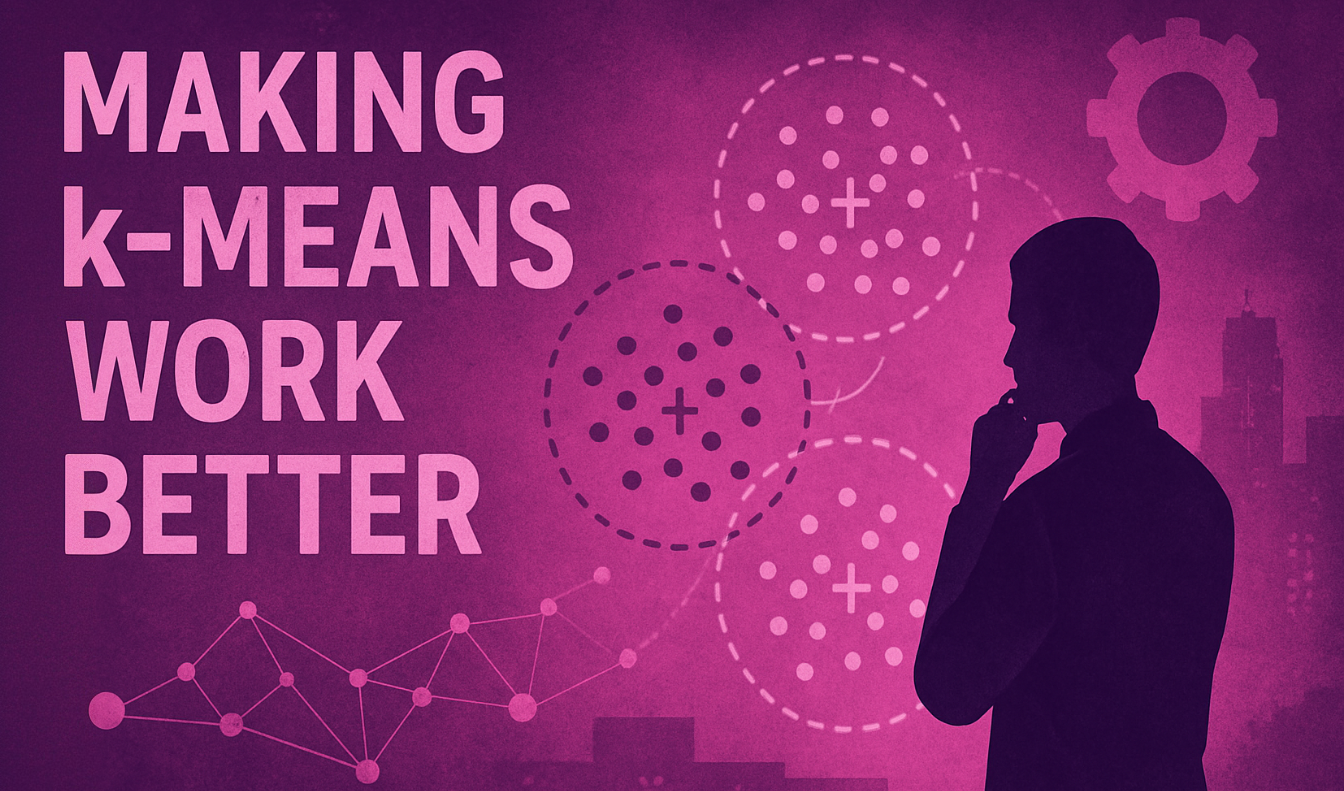
The k-means algorithm is a cornerstone of unsupervised machine learning, known for its simplicity and trusted for its efficiency in partitioning data into a predetermined number of clusters.
But cutting your runtime token burn is just the first problem.
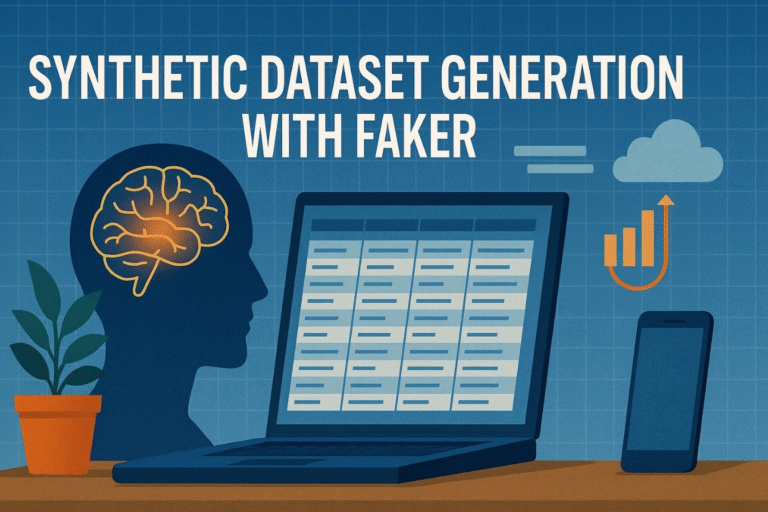
In this article, you will learn: • how to use the Faker library in Python to generate various types of synthetic data.
This article will teach you how to perform a language task like text classification by integrating locally hosted large language models (LLMs) of manageable size, like Mistral, Gemma, and Llama 3: all for free thanks to Ollama — a free repository for local LLMs — and the Scikit-LLM Python library.
Language models have quickly become cornerstones of many business applications in recent years.

When building machine learning models, most developers focus on model architectures and hyperparameter tuning.