7 Prompt Engineering Tricks to Mitigate Hallucinations in LLMs
Large language models (LLMs) exhibit outstanding abilities to reason over, summarize, and creatively generate text.


Large language models (LLMs) exhibit outstanding abilities to reason over, summarize, and creatively generate text.
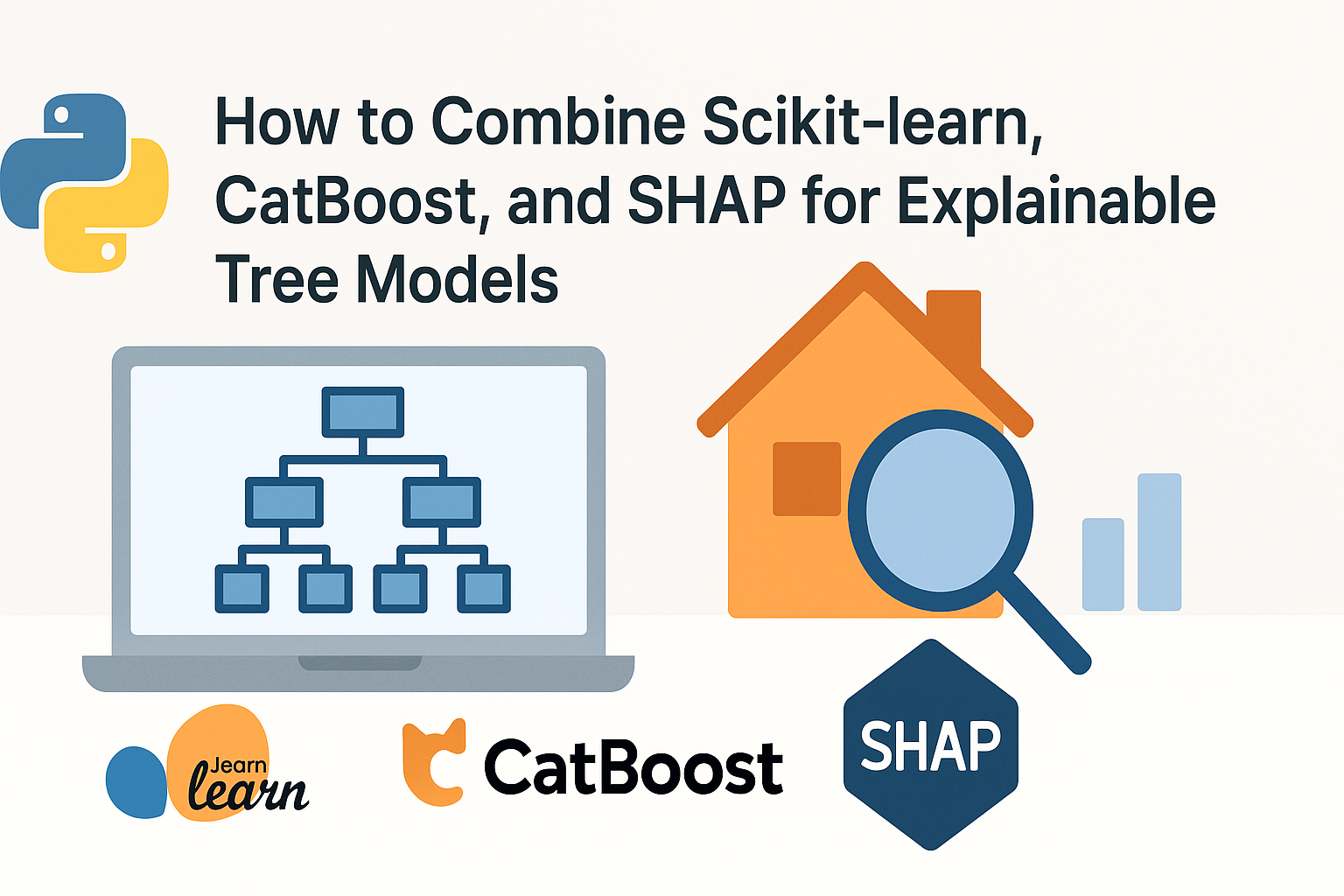
Machine learning workflows often involve a delicate balance: you want models that perform exceptionally well, but you also need to understand and explain their predictions.

Matrices are a key concept not only in linear algebra but also with regard to their prominent application and use in machine learning (ML) and data science.

Versatile, interpretable, and effective for a variety of use cases, decision trees have been among the most well-established machine learning techniques for decades, widely used for classification and regression tasks.

You’ve probably written a decorator or two in your Python career.

This article is divided into three parts; they are: • Floating-point Numbers • Automatic Mixed Precision Training • Gradient Checkpointing Let’s get started! The default data type in PyTorch is the IEEE 754 32-bit floating-point format, also known as single precision.
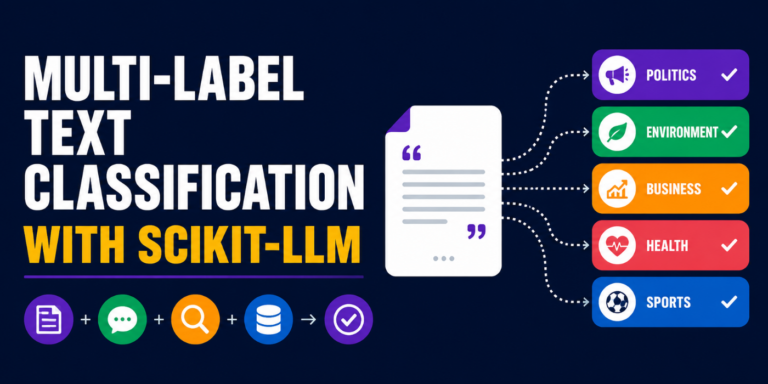
Text classification typically boils down to scenarios where a product review is “positive” or “negative”, or a customer inquiry belongs to one category or another.