Combining LLM Embeddings with Tabular Features in a Unified Scikit-learn Pipeline
In this article, you will learn how to build a unified scikit-learn pipeline that combines text embeddings generated by a lightweight open-source language model with…

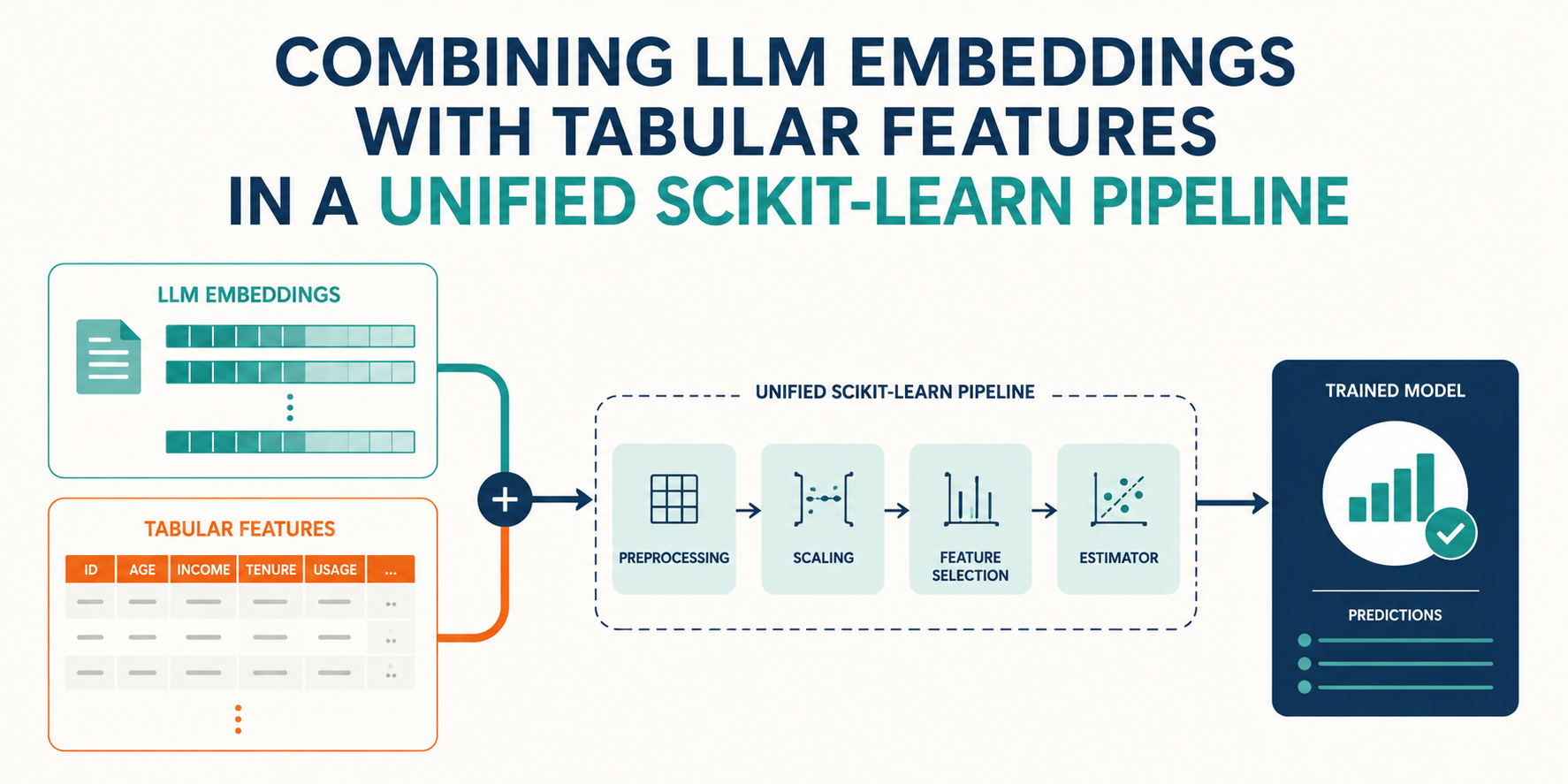
In this article, you will learn how to build a unified scikit-learn pipeline that combines text embeddings generated by a lightweight open-source language model with…
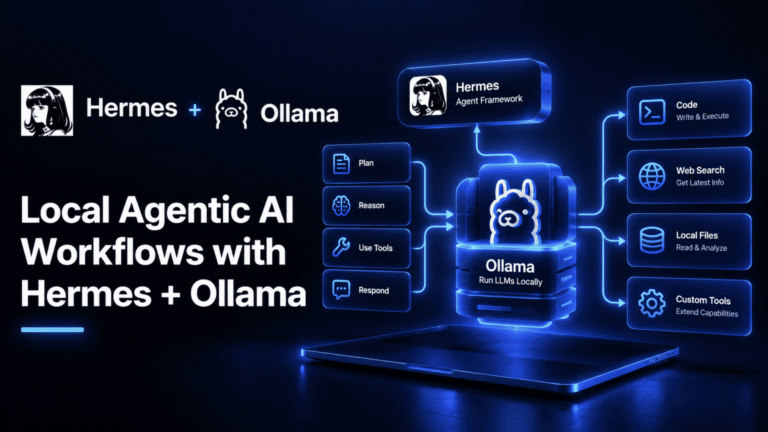
In this article, you will learn how to build a fully local, zero-cost agentic AI workflow using Hermes Agent and Ollama, so that your files,…
Feature engineering is one of the most important steps when it comes to building effective machine learning models, and this is no less important when dealing with time-series data.

This post is divided into four parts; they are: • Why Attnetion Matters: Limitations of Basic Seq2Seq Models • Implementing Seq2Seq Model with Attention • Training and Evaluating the Model • Using the Model Traditional seq2seq models use an encoder-decoder architecture where the encoder compresses the input sequence into a single context vector, which the…

Quantization might sound like a topic reserved for hardware engineers or AI researchers in lab coats.
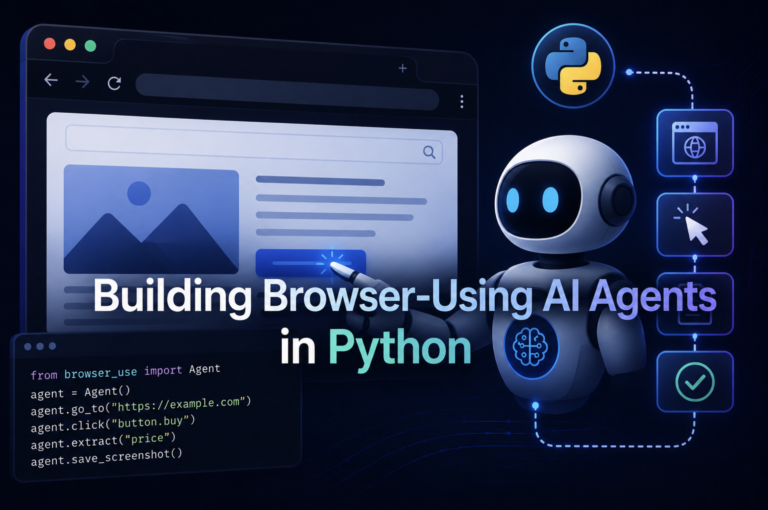
Most AI agent tutorials start with an API.

The k-means algorithm is a cornerstone of unsupervised machine learning, known for its simplicity and trusted for its efficiency in partitioning data into a predetermined number of clusters.