Building AI Agents with Local Small Language Models
The idea of building your own AI agent used to feel like something only big tech companies could pull off.

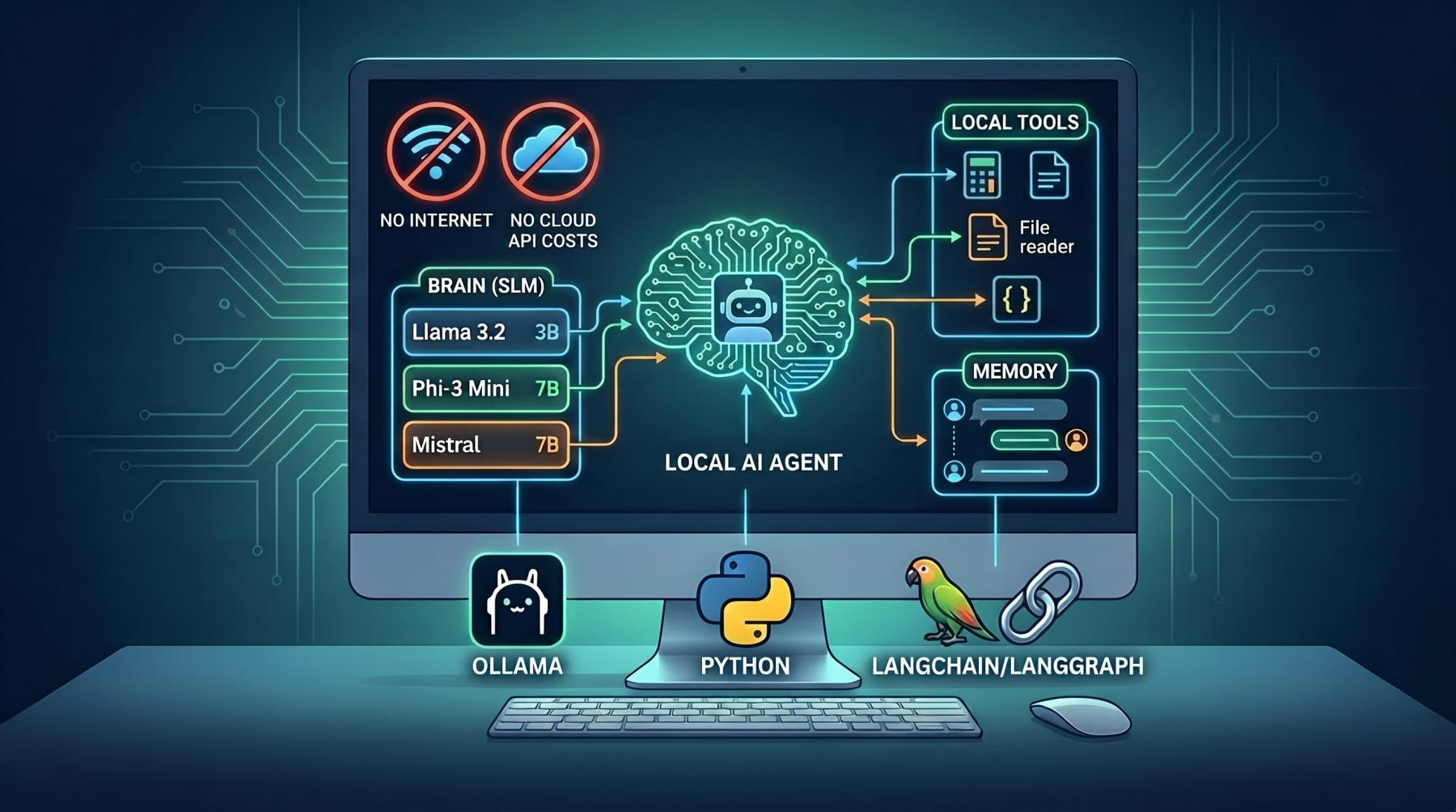
The idea of building your own AI agent used to feel like something only big tech companies could pull off.

Before we begin, let’s make sure you’re in the right place.

In the era of generative AI, people have relied on LLM products such as ChatGPT to help with tasks.

This post is divided into six parts; they are: • Why Transformer is Better than Seq2Seq • Data Preparation and Tokenization • Design of a Transformer Model • Building the Transformer Model • Causal Mask and Padding Mask • Training and Evaluation Traditional seq2seq models with recurrent neural networks have two main limitations: • Sequential…

This post is divided into five parts; they are: • Preparing the Dataset for Training • Implementing the Seq2Seq Model with LSTM • Training the Seq2Seq Model • Using the Seq2Seq Model • Improving the Seq2Seq Model In

This post is divided into three parts; they are: • Understanding Context Vectors • Visualizing Context Vectors from Different Layers • Visualizing Attention Patterns Unlike traditional word embeddings (such as Word2Vec or GloVe), which assign a fixed vector to each word regardless of context, transformer models generate dynamic representations that depend on surrounding words.

This post is divided into three parts; they are: • Origination of the Transformer Model • The Transformer Architecture • Variations of the Transformer Architecture Transformer architecture originated from the 2017 paper “Attention is All You Need” by Vaswani et al.