Building Transformer Models from Scratch with PyTorch (10-day Mini-Course)
Before we begin, let’s make sure you’re in the right place.


Before we begin, let’s make sure you’re in the right place.
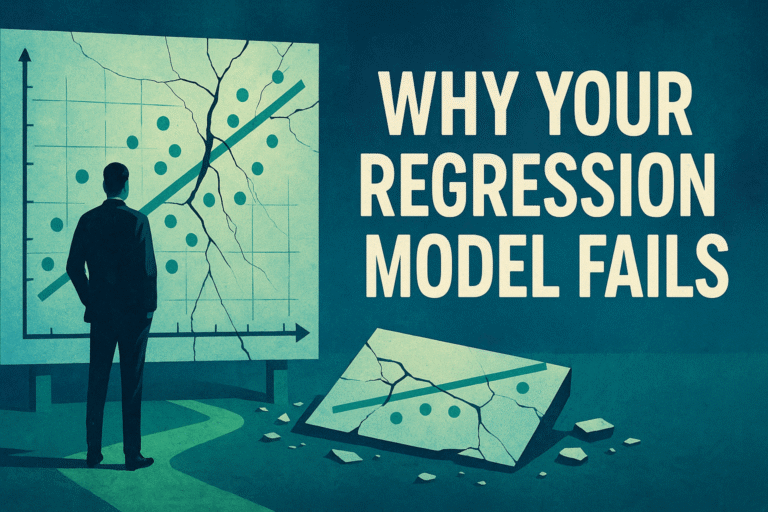
In regression models , failure occurs when the model produces inaccurate predictions — that is, when error metrics like MAE or RMSE are high — or when the model, once deployed, fails to generalize well to new data that differs from the examples it was trained or tested on.
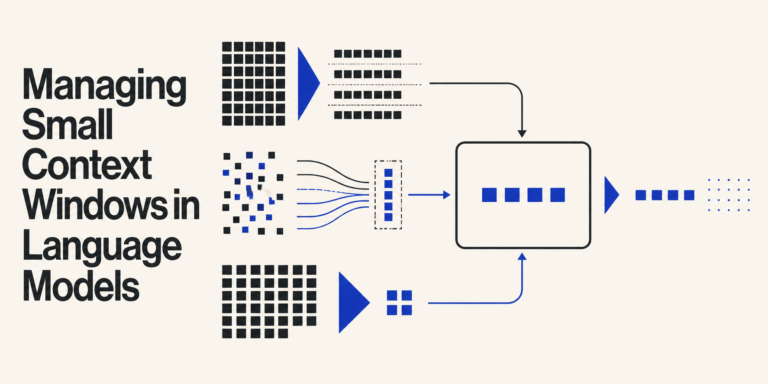
In this article, you will learn three practical strategies for managing small context windows in large language models, along with working Python examples that demonstrate…
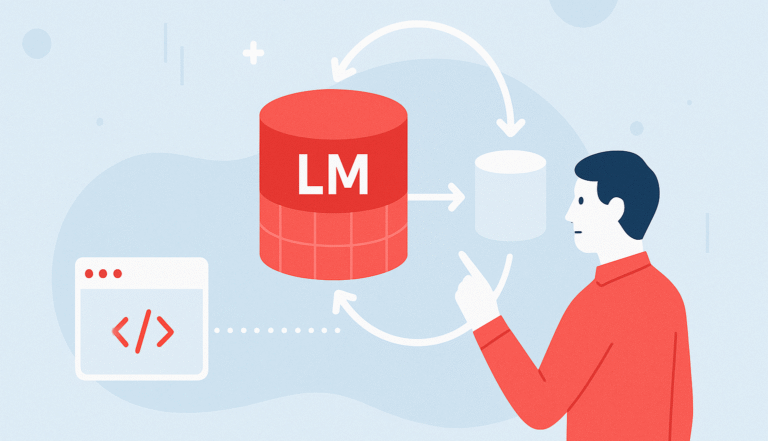
The rise of language models, and more specifically large language models (LLMs), has been of such a magnitude that it has permeated every aspect of modern AI applications — from chatbots and search engines to enterprise automation and coding assistants.
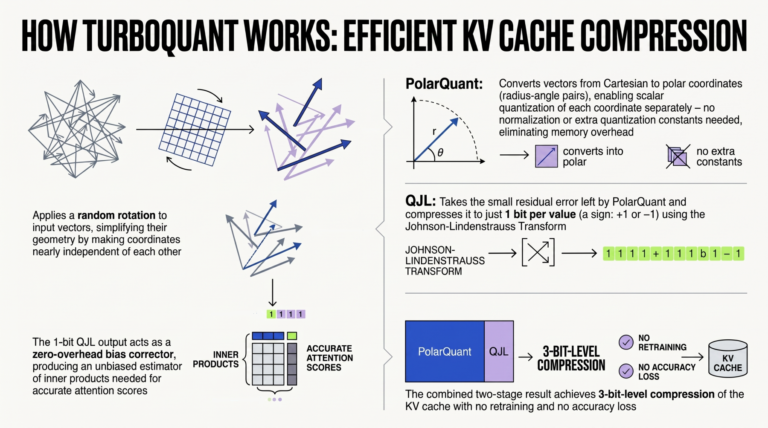
TurboQuant has recently been launched by Google as a novel algorithmic suite and library for applying advanced quantization and compression to large language models (LLMs) and vector search engines — an indispensable element of RAG systems.

It’s no secret that most advanced artificial intelligence solutions today are predominantly based on impressively powerful and complex models like transformers, diffusion models, and other deep learning architectures.

This post is divided into three parts; they are: • Why Skip Connections are Needed in Transformers • Implementation of Skip Connections in Transformer Models • Pre-norm vs Post-norm Transformer Architectures Transformer models, like other deep learning models, stack many layers on top of each other.