How (and Why) to Build an AI Agent from Scratch in Python
In this article, you will learn what an AI agent is and how to build one from scratch in plain Python using the Anthropic API,…

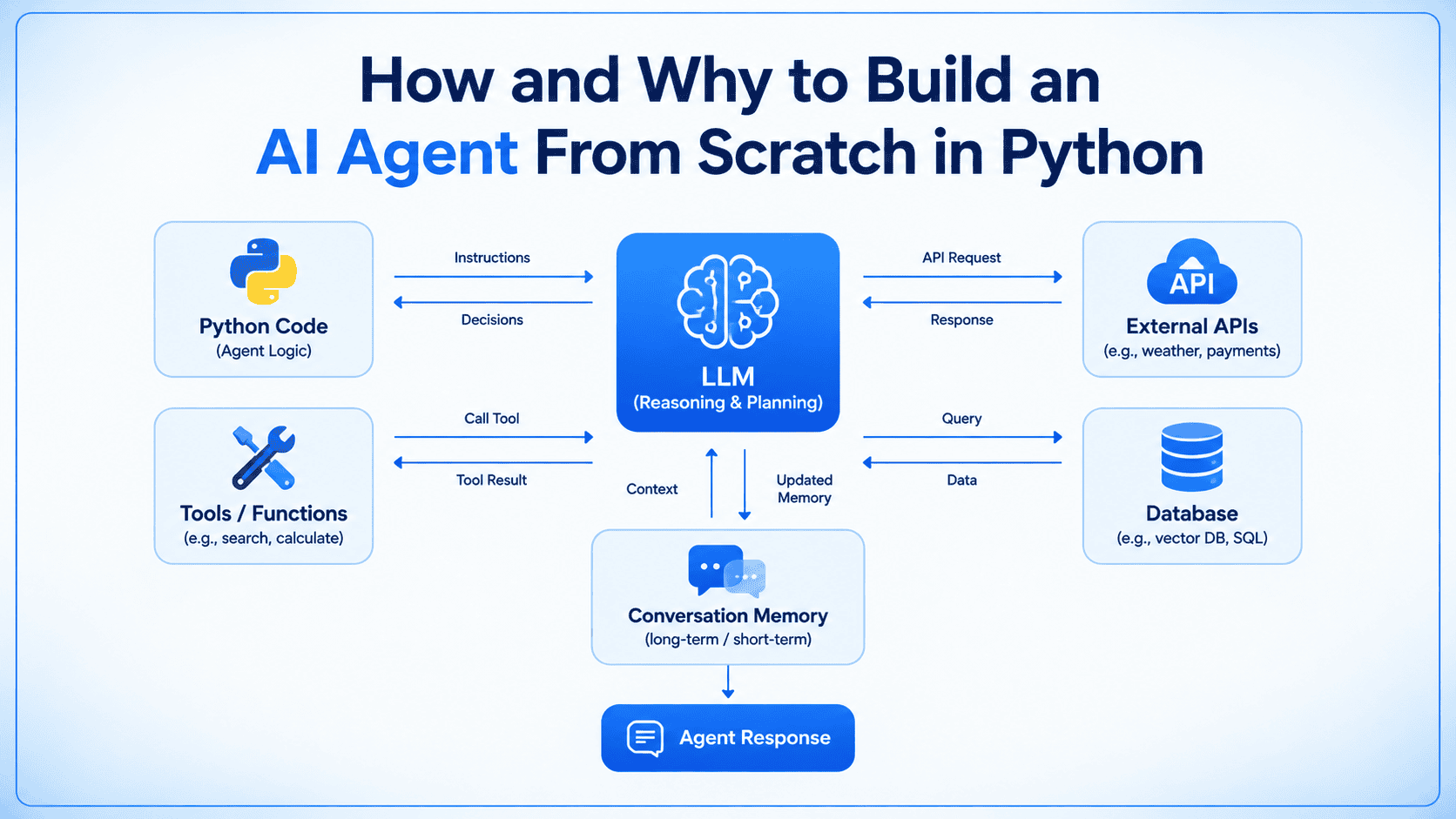
In this article, you will learn what an AI agent is and how to build one from scratch in plain Python using the Anthropic API,…
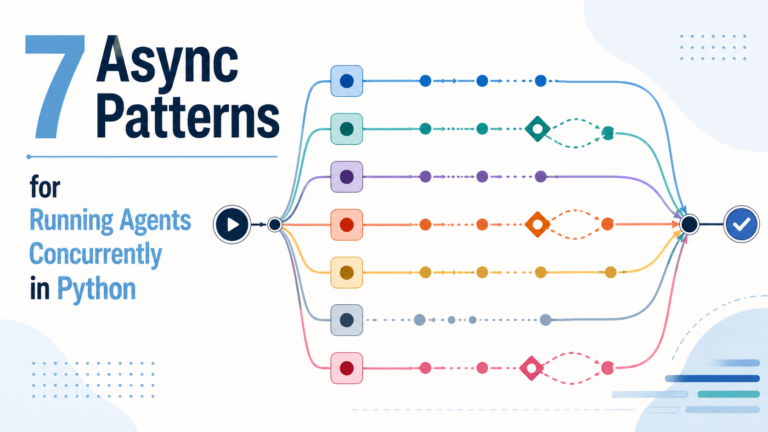
In this article, you will learn seven async patterns for running AI agents concurrently in Python, what each pattern is suited for, and the production-level…
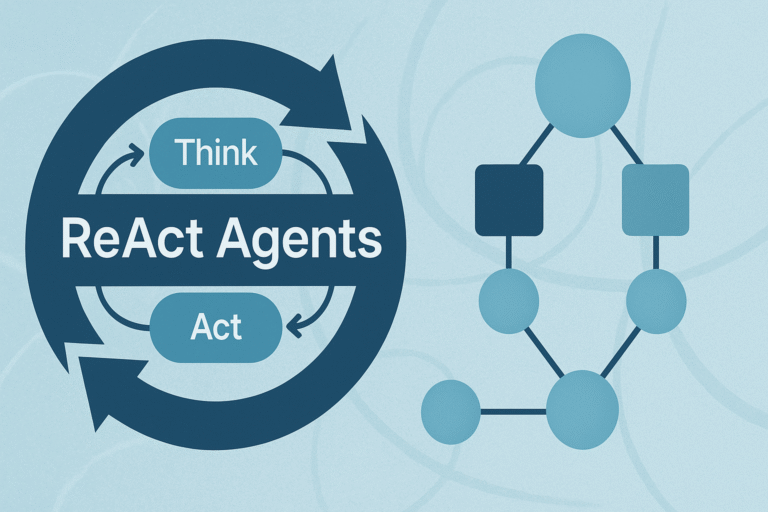
Language models — often known for the acronym LLM for Large Language Models, their large-scale version — fuel powerful AI applications like conversational chatbots, AI assistants, and other intelligent text and content generation apps.
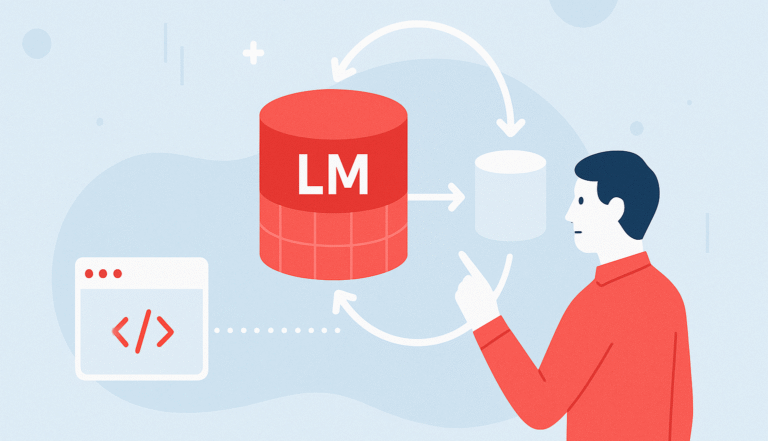
The rise of language models, and more specifically large language models (LLMs), has been of such a magnitude that it has permeated every aspect of modern AI applications — from chatbots and search engines to enterprise automation and coding assistants.

This post is divided into three parts; they are: • Why Linear Layers and Activations are Needed in Transformers • Typical Design of the Feed-Forward Network • Variations of the Activation Functions The attention layer is the core function of a transformer model.

Before we begin, let’s make sure you’re in the right place.