Beyond the Vector Store: Building the Full Data Layer for AI Applications
If you look at the architecture diagram of almost any AI startup today, you will see a large language model (LLM) connected to a vector store.

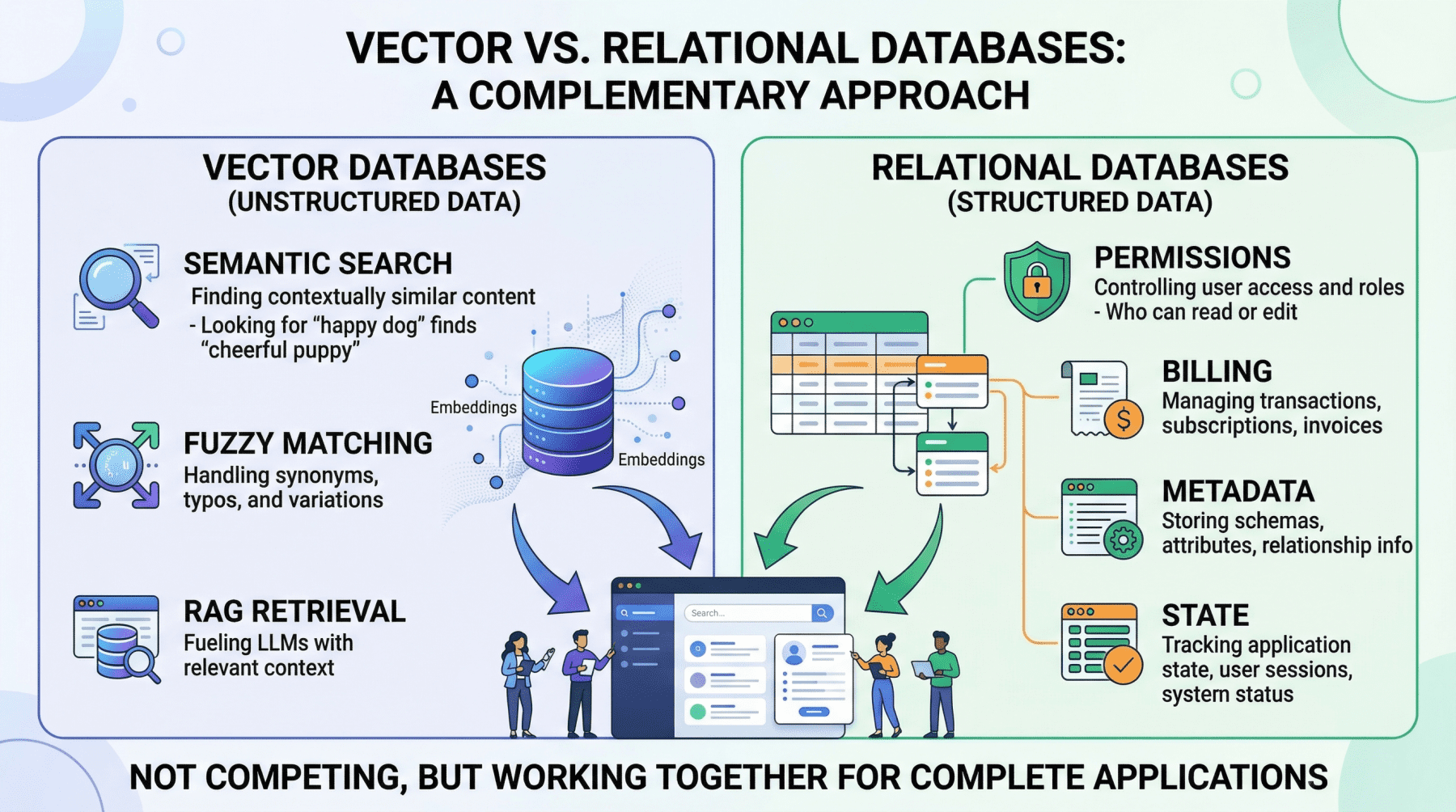
If you look at the architecture diagram of almost any AI startup today, you will see a large language model (LLM) connected to a vector store.
In time series analysis and forecasting , transforming data is often necessary to uncover underlying patterns, stabilize properties like variance, and improve the performance of predictive models.

Natural language processing models including the wide variety of contemporary large language models (LLMs) have become popular and useful in recent years as their application to a wide variety of problem domains have become increasingly capable, especially those related to text generation.

Fine-tuning a large language model (LLM) is the process of taking a pre-trained model — usually a vast one like GPT or Llama models, with millions to billions of weights — and continuing to train it, exposing it to new data so that the model weights (or typically parts of them) get updated.
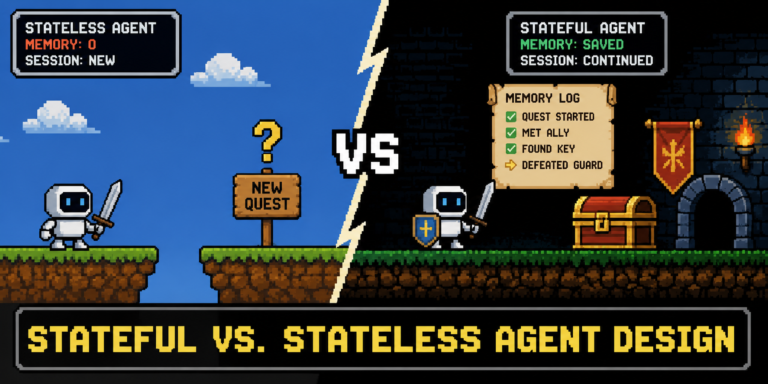
In this article, you will learn how an agent’s approach to managing state — stateless or stateful — shapes both its implementation and the deployment…
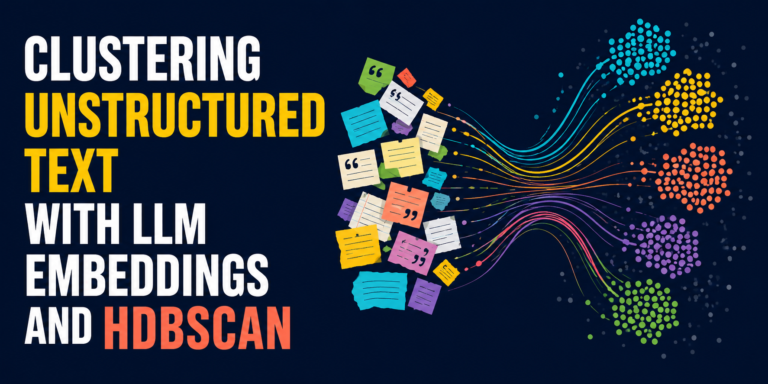
The current era of Generative AI seems to primarily focus on chat interfaces and prompts, but the range of applications of large language models , or LLMs for short, is not limited to just that.
It’s no secret that most advanced artificial intelligence solutions today are predominantly based on impressively powerful and complex models like transformers, diffusion models, and other deep learning architectures.