7 Steps to Mastering Memory in Agentic AI Systems
Memory is one of the most overlooked parts of agentic system design.

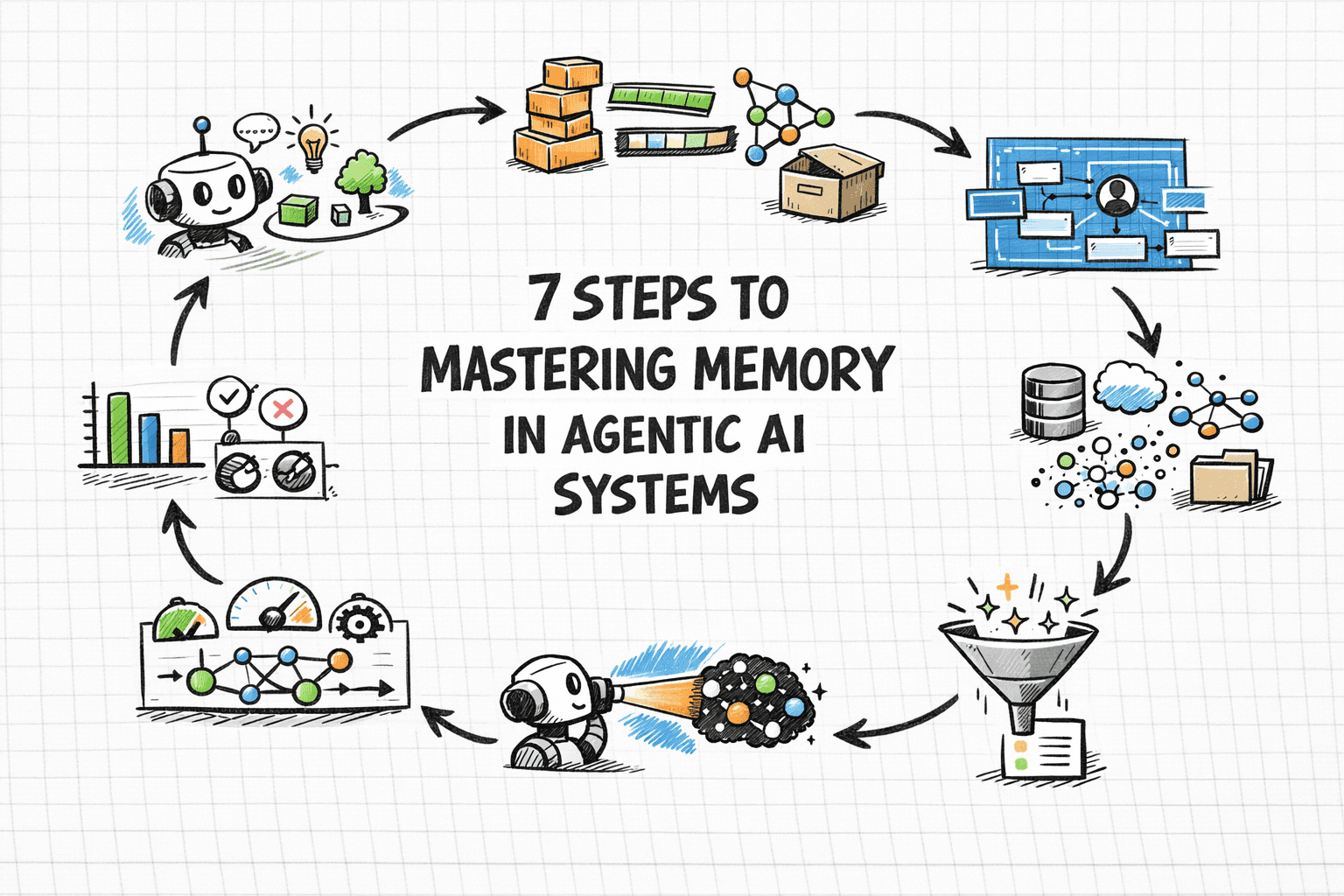
Memory is one of the most overlooked parts of agentic system design.
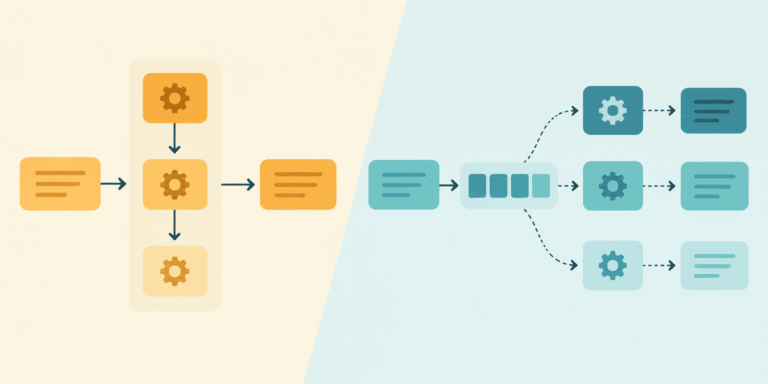
In this article, you will learn how synchronous and asynchronous execution patterns differ architecturally, and how to choose between them when deploying LLM-based agents to…
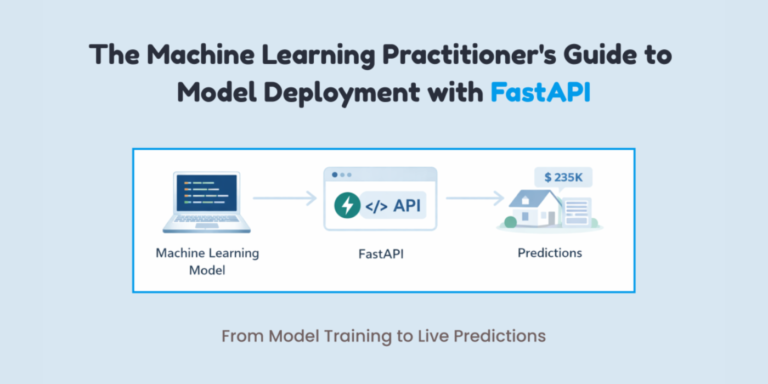
If you’ve trained a machine learning model, a common question comes up: “How do we actually use it?” This is where many machine learning practitioners get stuck.
The large language model (LLM) has become a cornerstone of many AI applications.
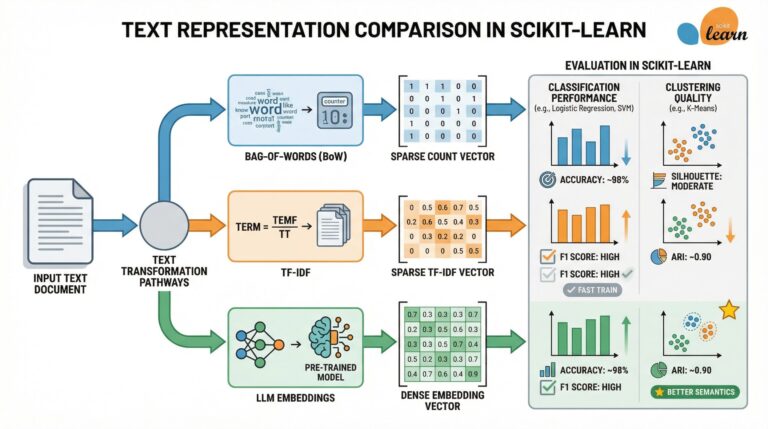
Machine learning models built with frameworks like scikit-learn can accommodate unstructured data like text, as long as this raw text is converted into a numerical representation that is understandable by algorithms, models, and machines in a broader sense.
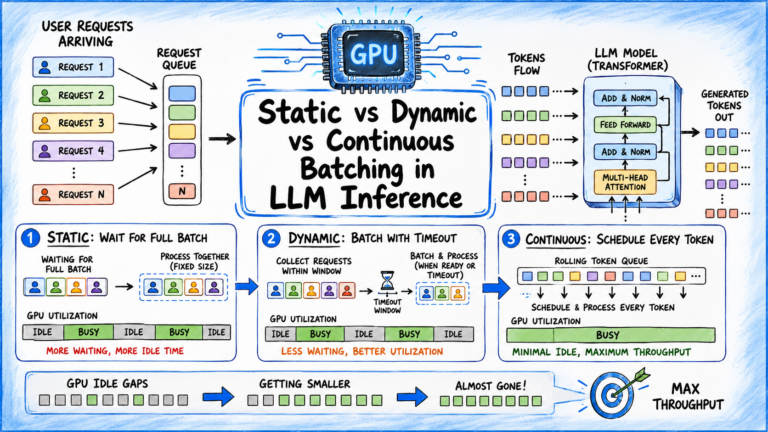
In this article, you will learn how static, dynamic, and continuous batching work in LLM inference, and why the differences between them matter at production…
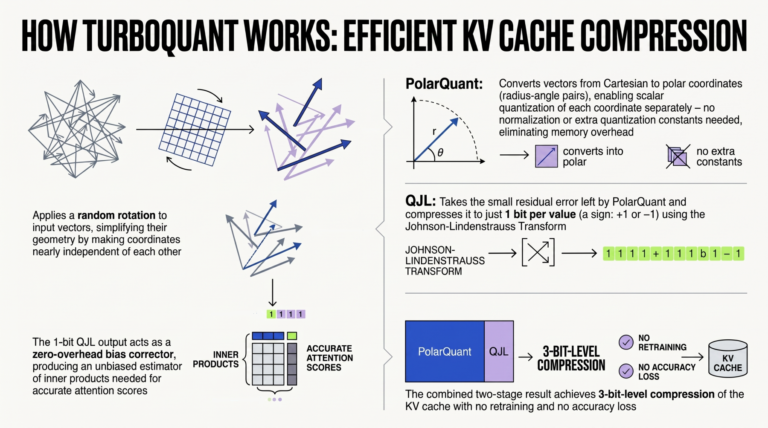
TurboQuant has recently been launched by Google as a novel algorithmic suite and library for applying advanced quantization and compression to large language models (LLMs) and vector search engines — an indispensable element of RAG systems.