Agent or Workflow? A Practical Test for Knowing When You Actually Need an AI Agent
In this article, you will learn the key differences between AI workflows and agents, and how to decide which approach is right for your use…

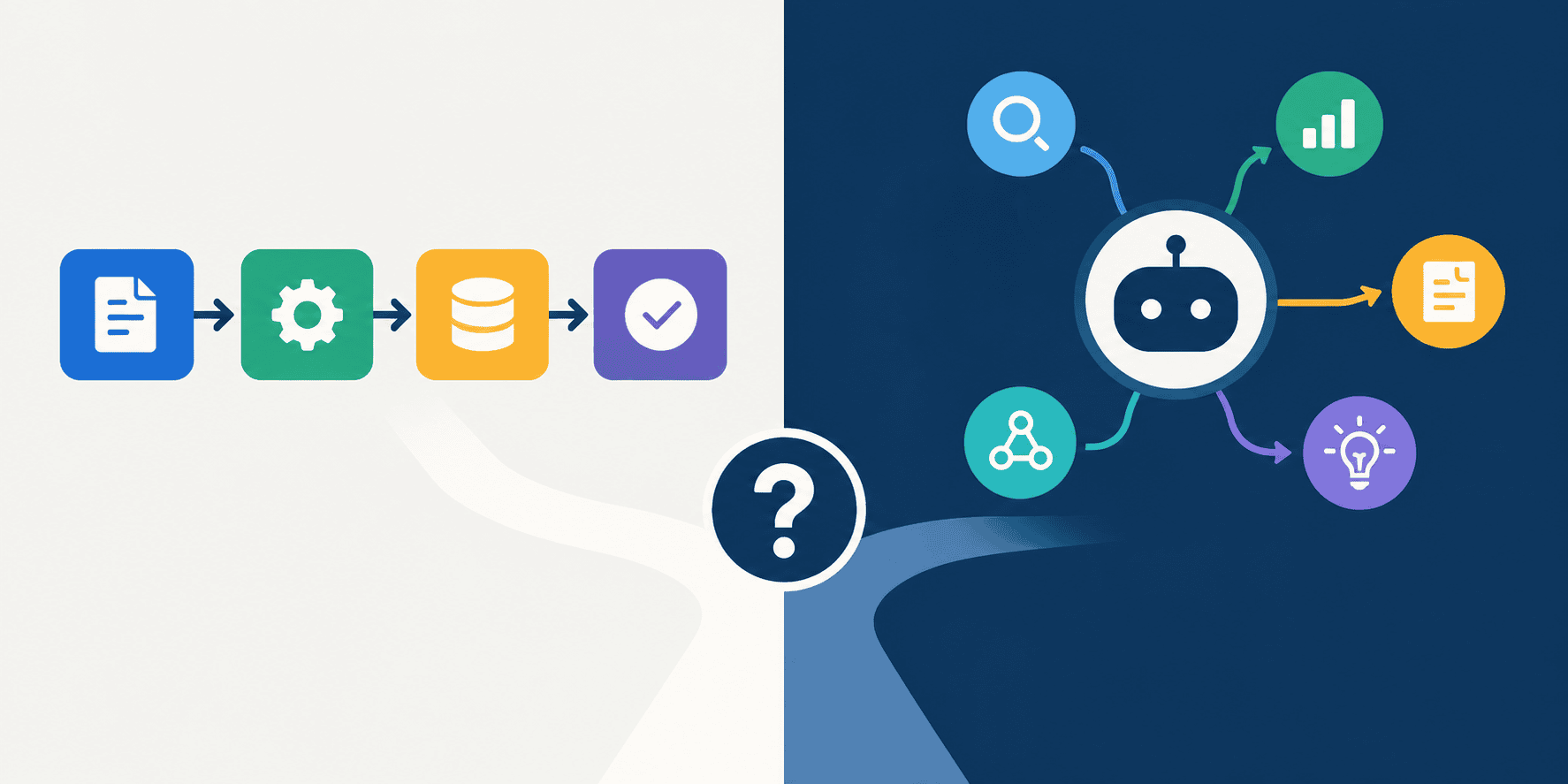
In this article, you will learn the key differences between AI workflows and agents, and how to decide which approach is right for your use…

This chapter is divided into eight parts; they are: • Metrics for LLM Inference • Measuring a Single Request • Warmup and Synchronization • Measuring GPU Work with CUDA Events • Measuring Memory Usage • Measuring Concurrent Requests • Multiple GPUs and Multiple Machines • Cost per Token The most common inference metrics are: •…

This post is divided into six parts; they are: • Why Transformer is Better than Seq2Seq • Data Preparation and Tokenization • Design of a Transformer Model • Building the Transformer Model • Causal Mask and Padding Mask • Training and Evaluation Traditional seq2seq models with recurrent neural networks have two main limitations: • Sequential…
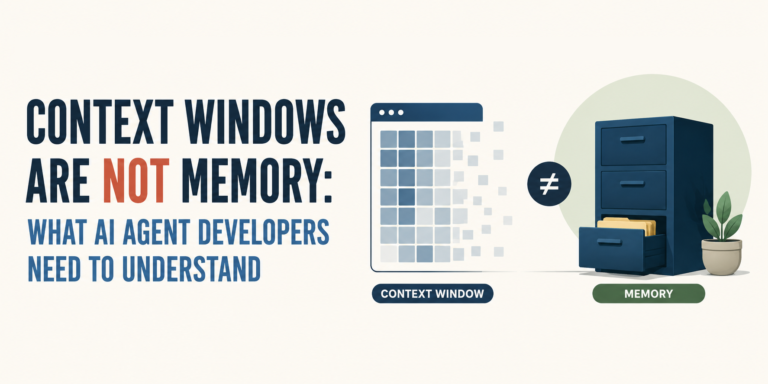
In this article, you will learn why a large context window is not the same thing as agent memory, and how techniques like retrieval, compression,…

If you’ve been using large language models like GPT-4 or Claude, you’ve probably wondered how they can write actually usable code, explain complex topics, or even help you debug your morning coffee routine (just kidding!).
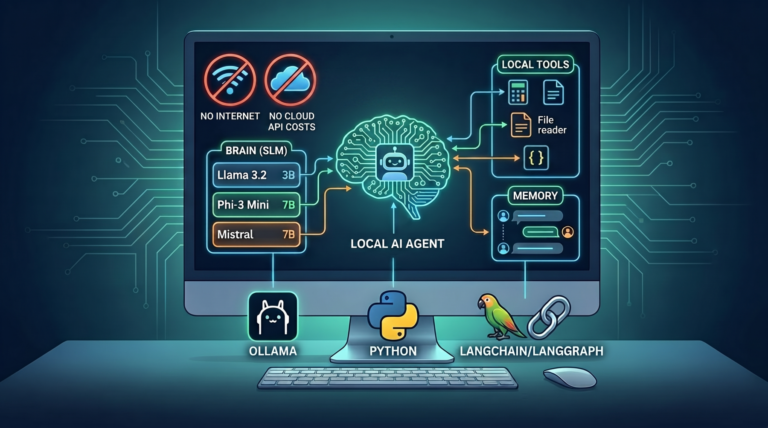
The idea of building your own AI agent used to feel like something only big tech companies could pull off.
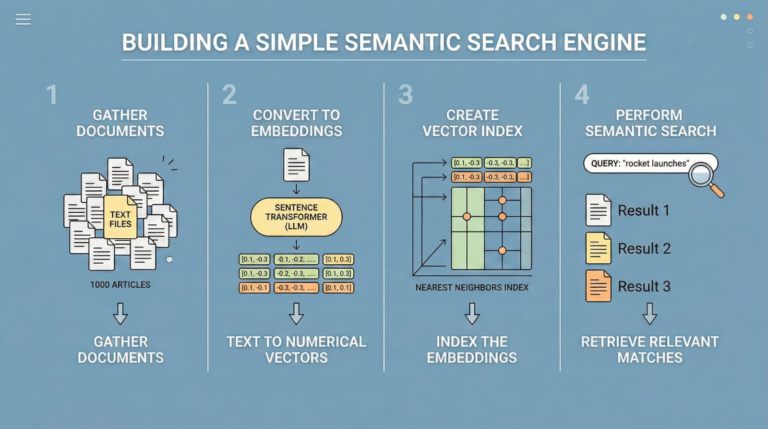
Traditional search engines have historically relied on keyword search.