The Current State of Agentic AI
In this article, you will learn how agentic AI architecture has evolved by mid-2026, including the shift away from orchestrated reasoning loops, the rise of…

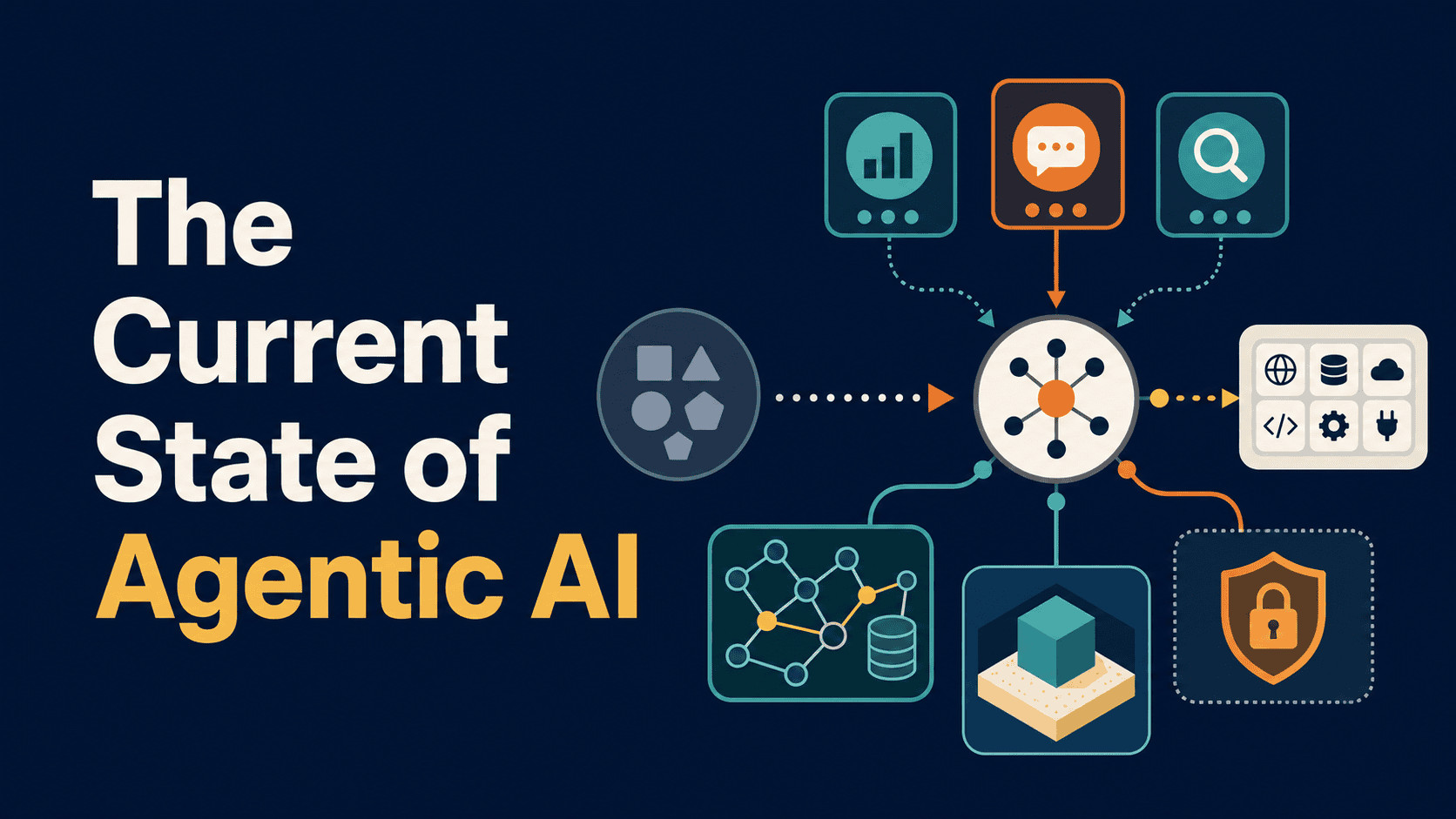
In this article, you will learn how agentic AI architecture has evolved by mid-2026, including the shift away from orchestrated reasoning loops, the rise of…

This article is divided into four parts; they are: • The Problem with Static Batching • Code Example of Static Batching • Continuous Batching: Dynamic Scheduling and Ragged Batching • Full Implementation The simplest way to serve multiple requests together is to use static batching, by grouping them into fixed-size batches and processing each batch…

This post is divided into three parts; they are: • Building a Semantic Search Engine • Document Clustering • Document Classification If you want to find a specific document within a collection, you might use a simple keyword search.


Experimenting, fine-tuning, scaling, and more are key aspects that machine learning development workflows thrive on.
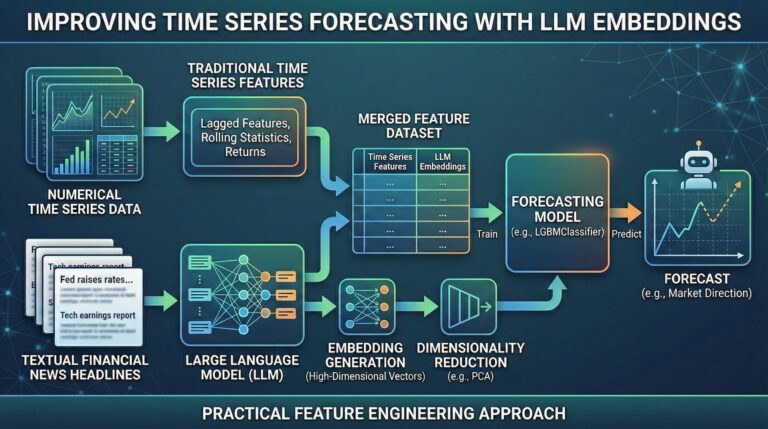
Using large language models (LLMs) — or their outputs, for that matter — for all kinds of machine learning-driven tasks, including predictive ones that were already being solved long before language models emerged, has become something of a trend.