The Beginner’s Guide to Machine Learning with Rust
Machine learning has become an essential tool for solving complex problems across various domains, from finance to healthcare.


Machine learning has become an essential tool for solving complex problems across various domains, from finance to healthcare.
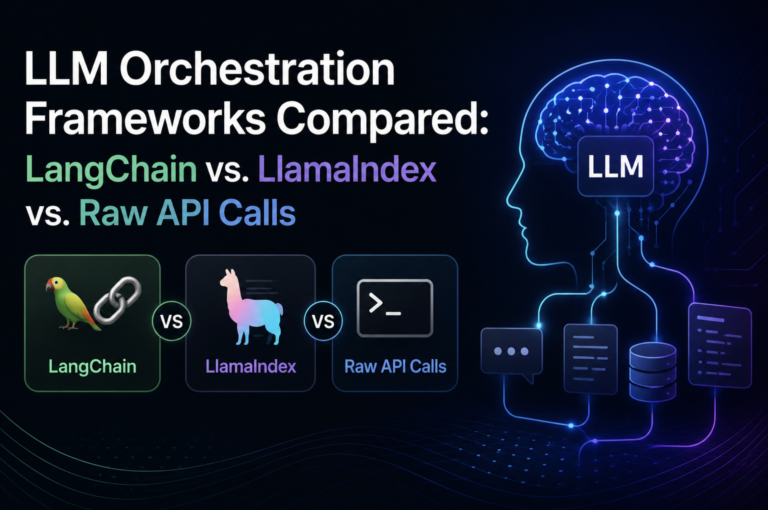
The default assumption in most LLM developer communities is that you start with raw API calls and graduate to a framework as your project grows.

This post is divided into five parts; they are: • Naive Tokenization • Stemming and Lemmatization • Byte-Pair Encoding (BPE) • WordPiece • SentencePiece and Unigram The simplest form of tokenization splits text into tokens based on whitespace.
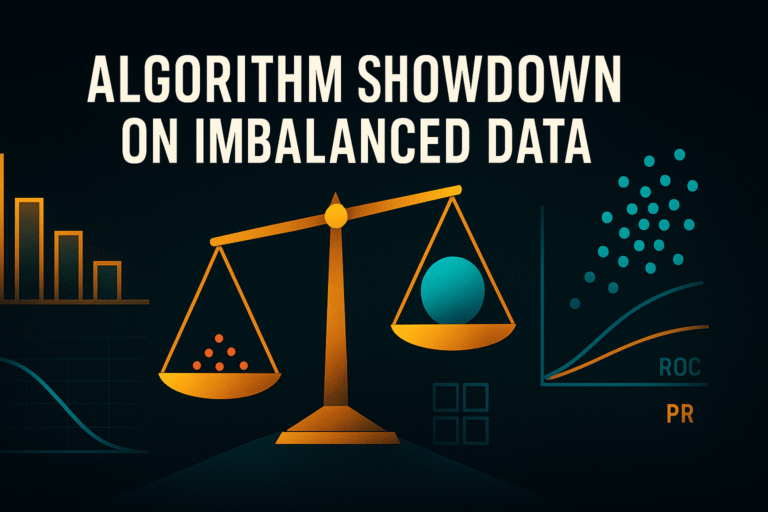
Imbalanced datasets are a common challenge in machine learning.
The rise of language models, and more specifically large language models (LLMs), has been of such a magnitude that it has permeated every aspect of modern AI applications — from chatbots and search engines to enterprise automation and coding assistants.

Be sure to check out the previous articles in this series: •

This article is divided into two parts; they are: • What Is Perplexity and How to Compute It • Evaluate the Perplexity of a Language Model with HellaSwag Dataset Perplexity is a measure of how well a language model predicts a sample of text.