How to Combine Pandas, NumPy, and Scikit-learn Seamlessly
Machine learning workflows require several distinct steps — from loading and preparing data to creating and evaluating models.

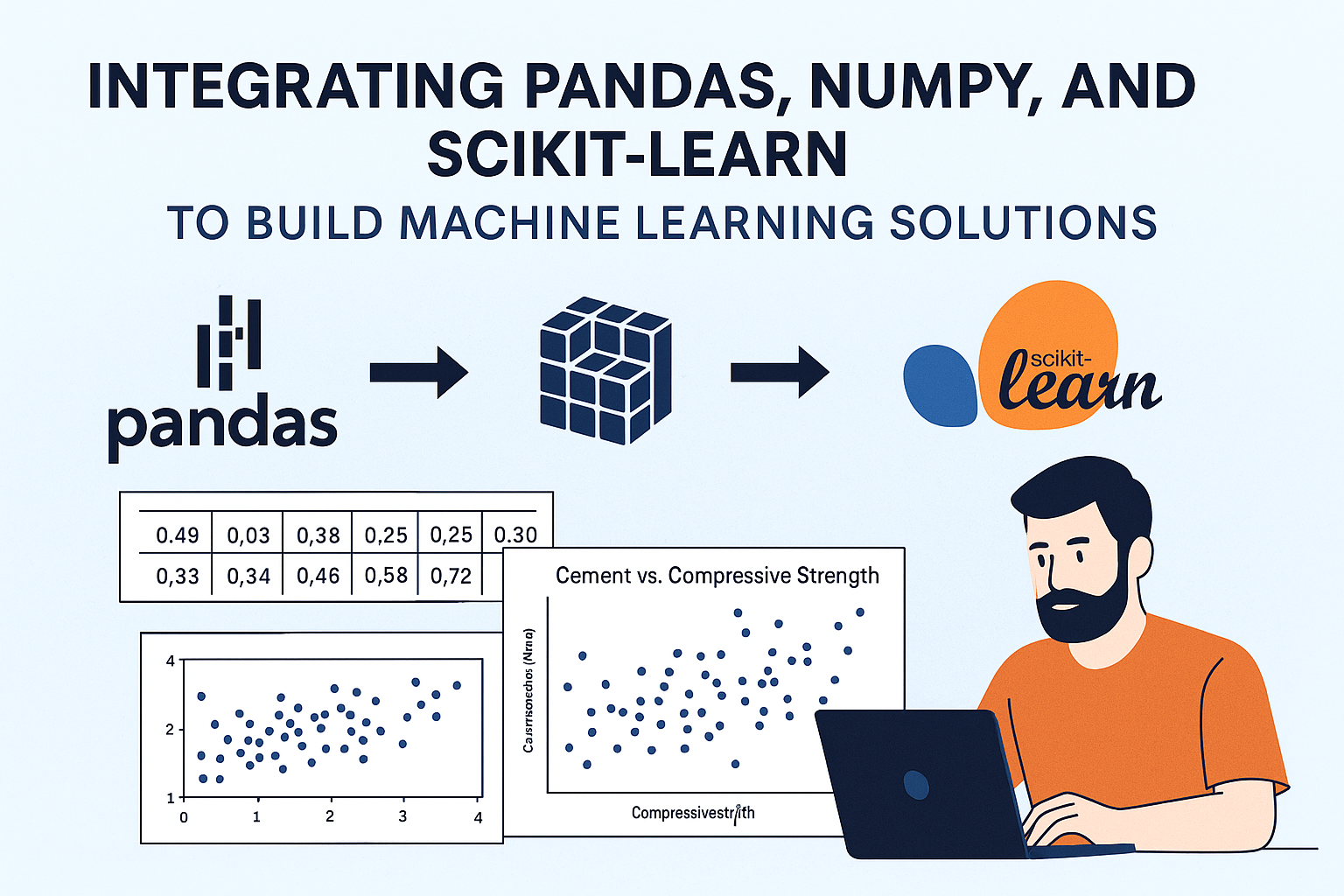
Machine learning workflows require several distinct steps — from loading and preparing data to creating and evaluating models.
One of the most widespread machine learning techniques is XGBoost (Extreme Gradient Boosting).

Large language models (LLMs) are widely used in applications like chatbots, customer support, code assistants, and more.

The increasing sophistication of cyber threats calls for a systemic change in the way we defend ourselves against them.
The foundational instructions that govern the operation and user/model interaction of language models (also known as system prompts) are able to offer insights into how we — as users, AI practitioners, and developers — can optimize our interactions, approach future model advancements, and develop useful language model-driven applications.

Graph neural networks (GNNs) can be pictured as a special class of neural network models where data are structured as graphs — both training data used to train the model and real-world data used for inference — rather than fixed-size vectors or grids like image, sequences, or instances of tabular data.
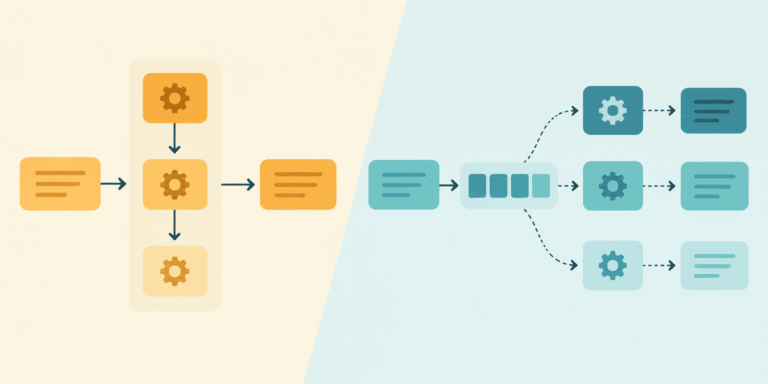
In this article, you will learn how synchronous and asynchronous execution patterns differ architecturally, and how to choose between them when deploying LLM-based agents to…